Brunel University Upholstery Cleaning Uxbridge Student Flats: a Practical Guide for Tenants, Flatmates and Letting-Season Turnarounds
If you live in or manage Brunel University upholstery cleaning Uxbridge student flats, you already know the reality: student furniture gets used hard. Sofas become snack stations, dining chairs pick up drink spills, and fabric headboards somehow absorb everything from body oils to the smell of late-night takeaways. It happens. The good news is that most upholstery can be brought back to a much cleaner, fresher state with the right method and a bit of timing.
This guide explains how upholstery cleaning works in student flats around Brunel University, what to expect from a professional clean, which mistakes cause avoidable damage, and how to decide whether you need a one-off refresh, stain removal, or a deeper treatment such as professional upholstery cleaning or even sofa cleaning. You will also find a checklist, a comparison table, and a realistic example from a busy student flat. No fluff. Just the stuff that actually helps.
- Why it matters
- How upholstery cleaning works
- Key benefits and practical advantages
- Who this is for and when it makes sense
- Step-by-step guidance
- Expert tips for better results
- Common mistakes to avoid
- Tools, resources and recommendations
- Law, compliance, standards and best practice
- Options, methods, or comparison table
- Case study or real-world example
- Practical checklist
- Conclusion
- Frequently asked questions
Why Brunel University upholstery cleaning Uxbridge student flats Matters
Student flats near Brunel University are busy by design. People are in and out at odd hours, friends visit, coursework piles up, and the furniture rarely gets a quiet week. Upholstery takes the brunt of that lifestyle because it is soft, absorbent and easy to forget about until the marks become obvious. One stain becomes three. A mild smell becomes "why does the sofa feel damp?" and, if you are honest, that is the point where many people start looking for help.
In Uxbridge, student accommodation often needs cleaning that is fast, careful and tenancy-aware. That matters because upholstery is not only about appearance. It can influence hygiene, comfort, allergens, odours and landlord inspections. If the flat is being handed back at the end of term, upholstery may also affect deposit discussions. A clean armchair or sofa does not guarantee a deposit back on its own, but it removes one more reason for avoidable deductions.
There is another reason too. Student flats often contain mixed upholstery types: fabric sofas, faux leather dining chairs, office chairs, beanbags, fabric stools and the odd futon that has seen too much action. Not every material can be cleaned in the same way. A one-size-fits-all approach is how people end up with water marks, shrinkage or colour bleed. So, yes, the detail matters. Probably more than people think on a busy Tuesday night when they are trying to move out before noon.
For shared homes, the cleaning also has a social side. Nobody wants to argue over who spilled pasta sauce on the sofa or who tracked in mud after a wet walk through Uxbridge. A proper clean resets the flat. It makes the place feel lived-in but cared for, which is a rare and oddly satisfying combination.
How Brunel University upholstery cleaning Uxbridge student flats Works
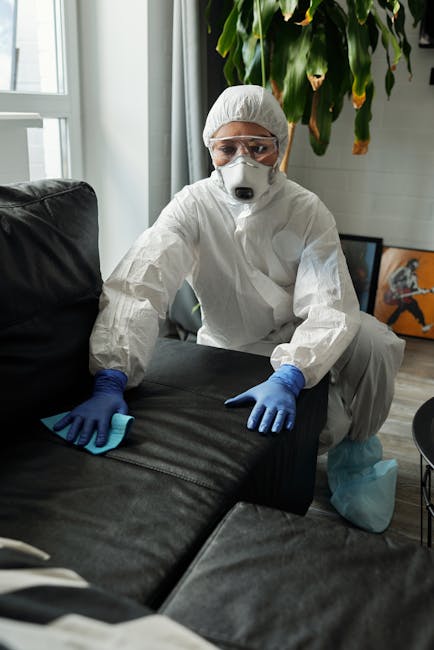
Professional upholstery cleaning usually starts with an inspection. The cleaner identifies the fabric type, looks at the condition of the piece, checks for staining and decides on the safest method. That first step is not a formality. It is the difference between cleaning a fabric properly and making a mess of it.
In most student flats, the process follows a few practical stages:
- Assessment: The technician checks seams, fabric labels if available, visible wear, and any problem areas such as food stains, drink spills, ink, deodorant residue or pet odours.
- Pre-treatment: Stains are treated individually where appropriate. This is where stain removal knowledge really matters, because a red wine mark, a tea spill and an oily patch all behave differently.
- Deep cleaning: The cleaner may use hot water extraction, low-moisture cleaning, dry compound methods or specialist spot techniques depending on the fabric.
- Agitation and extraction: Light agitation helps lift grime from the fibres, then the solution and loosened dirt are extracted as thoroughly as possible.
- Deodorising and finishing: Where needed, odour treatments are used, then the fabric is groomed and left to dry properly.
For heavily used student sofas, a combined approach can be the most effective. For example, a standard fabric sofa in a shared Brunel flat may need steam carpet cleaning-style extraction techniques for nearby floor textiles, but a slightly different process for the upholstery itself. That distinction matters. Carpet and upholstery are cousins, not twins.
Drying time depends on fabric, room ventilation and the amount of moisture used. A well-done clean should leave the upholstery refreshed, not soggy. If a cleaner leaves everything feeling soaked, that is not a great sign. To be fair, nobody wants to sit on a damp sofa while waiting for a lecture login to load.
Key Benefits and Practical Advantages
The benefits of proper upholstery cleaning in student flats are more practical than glamorous, but that is exactly why they matter. You see them in everyday life: fewer smells, cleaner seating, a brighter room and furniture that lasts a bit longer.
- Improved hygiene: Upholstery collects skin flakes, dust, crumbs and body oils over time. Cleaning removes a lot of the build-up that regular hoovering cannot reach.
- Better appearance: Fabrics often look tired before they are actually worn out. Cleaning can lift a flat, dull look and make the room feel more usable.
- Odour control: Student flats can pick up cooking smells, drink spills and damp air. Upholstery tends to trap those smells.
- Longer furniture life: Dirt behaves like grit. The more it stays in the fibres, the more it contributes to wear.
- Better tenancy handover: End-of-term cleaning is simpler when the sofa, chairs and cushions are already in decent condition. If you are lining this up with end of tenancy cleaning, upholstery should be part of the plan, not an afterthought.
- Less stress for flatmates: A fresh communal area feels calmer. Not dramatic, just better. Anyone who has shared a sofa through exam season will understand that feeling.
There is also a softer benefit: pride in the place. Even if the flat is temporary, a decent standard of care changes how people use the space. Students tend to look after things better when they feel the flat is reasonably clean and not just a battle zone between laundry baskets.
Who This Is For and When It Makes Sense
This service is useful for more people than you might expect. It is not only for landlords or property managers, though they certainly need it when turnover is tight. It is also for tenants who want a cleaner flat mid-term, and for student groups who simply want to sort the shared space before it becomes unpleasant.
It makes sense if you are:
- moving out of a Brunel University-area student flat and want the furniture to look presentable
- moving in and prefer to start with a fresh sofa or dining chair set
- dealing with accidental spills, food stains or drink rings
- noticing lingering odours after a term of heavy use
- managing a shared flat where the communal furniture is clearly past its best
- trying to restore a fabric sofa after a long winter of closed windows and heating on full blast
If you are only trying to remove a single recent mark, a targeted pet stain odour removal or spot treatment may be enough, though the name of that service is obviously more pet-specific. For general student flat seating, the point is the same: identify the problem first, then choose the least aggressive effective method.
There are times when cleaning is not the right answer. If the frame is damaged, the filling has collapsed, or the fabric is badly worn through, cleaning will improve the surface but not fix structural wear. In those cases, you are better off being realistic. Not everything can be rescued, and pretending otherwise is how people waste money.
Step-by-Step Guidance
If you are organising upholstery cleaning for a student flat near Brunel University, a simple process helps. No need to overcomplicate it.
1. Identify the upholstery type
Start by checking whether the item is fabric, velvet, microfibre, faux leather or something mixed. If there is a care label, keep it in mind. Some fabrics can handle moisture well; others cannot. When in doubt, test a small hidden area first.
2. Spot the worst problem areas
Look for obvious hot spots: armrests, seat fronts, headrests, lower corners and cushion tops. These are the places where grime builds up first. In student flats, the centre cushion and the right arm of the sofa often tell the whole story. Funny, really.
3. Remove loose debris
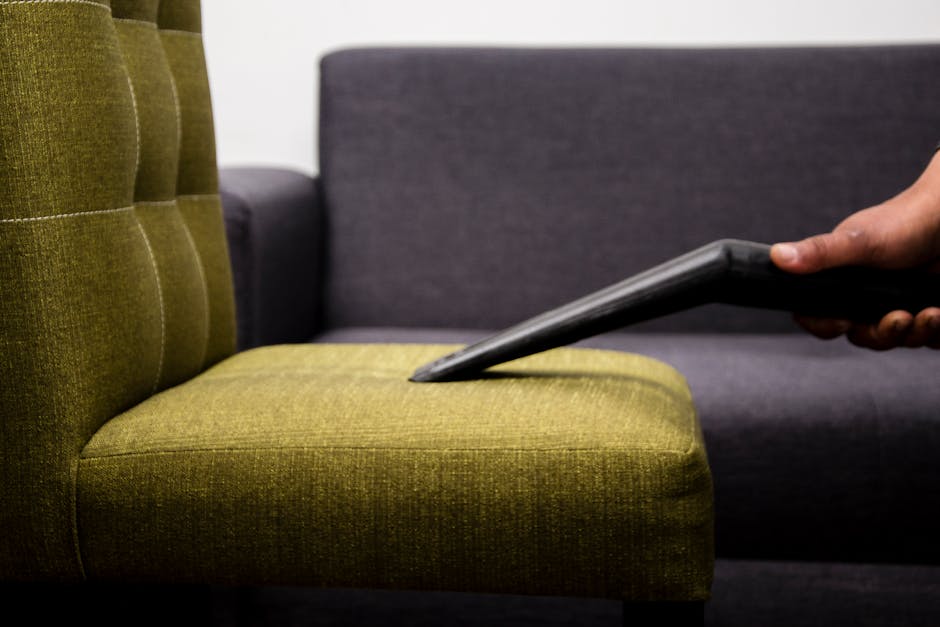
Vacuum the upholstery thoroughly. Get into the seams, under cushions and around buttons. Loose crumbs and grit need to come out before moisture is introduced. Otherwise, you just turn dry mess into damp mess. Not ideal.
4. Treat stains before cleaning
Different stains need different chemistry and technique. Fresh spill? Blot, do not rub. Old mark? Pre-treatment may be needed. Grease, ink and food stains all behave differently, so a careful pre-check is worth the time.
5. Choose the right cleaning method
The method depends on the material and soil level. For many fabric items, hot water extraction or low-moisture cleaning will work well. Delicate items may need a gentler approach. If the piece is part of a bigger clean, such as a flat move-out, some cleaners combine upholstery work with move out cleaning to save time and coordinate drying.
6. Allow proper drying
Drying is not an afterthought. Open windows if the weather allows, use airflow, and keep people off the furniture until it is properly dry. Sitting too soon can flatten fibres or create a musty smell. It is a bit of an anticlimax when the clean looks great but the sofa is still clammy hours later.
7. Inspect the result
Once dry, check the item in daylight. Artificial light hides things. Natural light, especially in the morning, shows the truth pretty quickly. If a stain has not fully lifted, that is the moment for a sensible follow-up rather than a panic scrub.
Expert Tips for Better Results
A few small choices make a big difference. These are the sorts of details that separate a decent result from a frustrating one.
- Act early on spills: The sooner a stain is treated, the better the chance of lifting it cleanly.
- Avoid over-wetting: Too much moisture can lead to slow drying, watermarking and a stale smell.
- Match the method to the fabric: Velvet, chenille and textured weaves need more care than plain durable synthetics.
- Ventilate the room: Even a small draft helps. A fresh air flow can make a bigger difference than people expect.
- Protect adjacent surfaces: Keep damp fabrics away from walls, painted skirting and wooden furniture until dry.
- Ask about odour treatment: If the room smells musty, the surface may not be enough. Odour can sit deeper in the fibres.
- Plan around move-out day: Don't leave upholstery cleaning until the final hour. The drying window matters.
One practical tip from real-world flat cleaning: if several items need work, clean the sofa first and leave enough time for drying before guests, flatmates or inventory photos. It sounds obvious, but people forget. Then they sit down, and well... that is the end of the fresh finish.
Common Mistakes to Avoid
Upholstery is surprisingly easy to damage when you are in a rush. And student flats are often exactly that: rushed. Moving day, exam week, people leaving for train stations, the whole thing.
- Rubbing stains aggressively: This can spread the mark and push it deeper into the fibres.
- Using random household cleaners: Some products bleach fabric, leave sticky residue or set stains permanently.
- Cleaning without testing: A hidden patch test is basic, but skipping it can be expensive.
- Ignoring the frame or cushions: Surface cleaning alone may miss the areas where smell and grime build up.
- Letting the furniture stay damp: That is how mustiness develops. And nobody wants a fresh clean that smells worse the next day.
- Assuming one method fits all: Upholstery is diverse. Some items need low-moisture care, others can take a deeper clean.
There is a quieter mistake too: only cleaning the visible face of the sofa. The back, sides, underside edges and cushion channels matter. Dirt travels. It always does.
Tools, Resources and Recommendations
You do not need a warehouse full of equipment to do a sensible upholstery clean, but the right tools help. For student flats, the aim is usually a balance between effectiveness, speed and low disruption.
| Method or tool | Best for | Strengths | Limitations |
|---|---|---|---|
| Vacuum with upholstery attachment | Routine maintenance | Removes crumbs, dust and loose debris | Will not remove embedded stains |
| Spot cleaning solution | Fresh spills and small marks | Useful for targeted treatment | May stain or damage sensitive fabrics if misused |
| Hot water extraction | Durable fabric upholstery | Deep clean and strong soil removal | Needs drying time and fabric suitability |
| Low-moisture cleaning | Delicate or lightly used pieces | Faster drying, less saturation | May be less powerful on older stains |
| Specialist stain treatment | Ink, oil, food and drink marks | More precise and controlled | Results depend on stain age and fabric type |
If your student flat clean is part of a wider reset, it often makes sense to pair upholstery work with deep cleaning or regular cleaning for ongoing upkeep. A full flat refresh may also include window cleaning, because clean upholstery looks better in a room that actually lets light in. Small things, but they add up.
For budgeting, the most useful resource is a clear written quote. A proper quote should explain what is included, what fabric types are covered, and whether stain treatment or odour work is extra. If the price sounds vague, it usually is. You can also review pricing and quotes before booking so everyone in the flat knows what to expect.
Law, Compliance, Standards, or Best Practice
For student flats, the main compliance issue is less about a dramatic legal rule and more about doing the job safely and responsibly. A cleaner should use suitable chemicals, follow fabric care guidance, and work in a way that reduces the chance of slips, damage or poor ventilation. If something is not appropriate for a fabric, it should be treated that way.
In the UK, normal best practice in domestic and rental settings is to:
- use products that are suitable for the material and task
- test sensitive fabrics before full application
- ventilate rooms where cleaning chemicals or moisture are used
- avoid excessive water on delicate fabrics
- keep electrical equipment away from damp areas
- follow reasonable health and safety procedures during access and setup
If you are booking a company, trust signals matter. A provider that explains its insurance and safety approach, has clear terms and conditions, and handles customer data sensibly through a published privacy policy is usually a better bet than someone who only gives a price over the phone and disappears. There is nothing glamorous about this part, but it matters.
For shared accommodation, it is also sensible to coordinate with flatmates or the property manager. If access, keys or timing are unclear, the clean can get messy before it starts. In practice, the best jobs are the organised ones. A bit boring, maybe. Very effective though.
Options, Methods, or Comparison Table
Not every student flat needs the same level of upholstery care. A quick comparison can help you choose the right route.
| Option | Best for | Typical outcome | When to choose it |
|---|---|---|---|
| Light maintenance clean | Routine freshness, light dust and mild marks | Improves appearance and removes surface grime | Mid-term upkeep or pre-visit tidying |
| Targeted stain treatment | Recent spills or one problem area | Focuses on a single mark without overworking the full item | When the rest of the upholstery is in decent shape |
| Deep upholstery clean | Heavy use, odours, multiple stains | More thorough restoration of the fabric | End of term, move-out, or after a long stretch of use |
| Combined flat clean | Whole-property refresh | Improves furniture, floors and shared areas together | When you want a coordinated reset before handover |
For many Brunel student flats, the sweet spot is a deep upholstery clean combined with a broader property clean. That avoids the odd situation where the sofa looks fresh, but the rest of the room still smells like last term. Not exactly the vibe you want.
Case Study or Real-World Example
Here is a realistic example. A group of students in a shared flat near Brunel had a fabric two-seater sofa, four dining chairs and one office chair that had picked up the usual mix of tea, fizzy drink spills, snack grease and general wear. Nothing catastrophic. Just enough to make the communal area feel grimy by the end of term.
They had one afternoon between packing boxes and returning keys. The first step was a quick assessment: the sofa fabric was durable, the chairs were mixed fabric and faux leather, and the office chair had a noticeable armrest stain from repeated use. The cleaner vacuumed all pieces, treated the armrests and seat fronts, then cleaned the sofa and chairs in stages so each item had space to dry.
The biggest improvement was not a single stain disappearing, although that happened too. It was the overall change in the room. The fabric looked lighter, the odour dropped away, and the flat stopped feeling like a long-term shared accident. One of the students said, with very little drama, that the room finally "smelled like a place people lived in, not a bin". Bit blunt, but fair.
That is the real value of upholstery cleaning in student flats. It does not just rescue one chair. It changes how the whole place feels.
Practical Checklist
Use this checklist before booking or carrying out a student flat upholstery clean:
- Identify every upholstered item that needs attention
- Check for fabric labels or visible care instructions
- Note stains, smells and high-wear areas
- Vacuum loose debris from cushions, seams and edges
- Decide whether you need spot cleaning, a full clean or odour treatment
- Confirm access, parking and timing for the flat
- Make sure the room can be ventilated during drying
- Move fragile items and electronics away from the work area
- Ask what method will be used on your specific fabric
- Allow enough drying time before use, inspection or handover
If you are tackling a bigger move, it can also help to combine this with move in cleaning or a broader domestic cleaning visit. That way, the whole flat gets reset in one go rather than in six half-finished stages. Which, let's be honest, is how these things often start.
Conclusion
Brunel University student flats need upholstery care that is practical, careful and realistic. Whether you are dealing with one stubborn mark or a whole communal sofa that has seen better days, the right cleaning method can make the flat feel lighter, fresher and much easier to live with. The key is to match the treatment to the fabric, work patiently, and leave enough time for proper drying.
For students, that often means less stress during move-out week. For landlords and managers, it means better presentation and fewer avoidable complaints. And for everyone in the flat, it means sitting down on a sofa that does not make you immediately wonder what happened there. A small win, sure. But in student accommodation, small wins count.
If you want a cleaner, fresher shared space and a simpler move-out, it is worth choosing a method that treats the furniture properly rather than quickly. That little bit of care goes a long way.
Get a free quote today and see how much you can save.
Frequently Asked Questions
How often should student flat upholstery be cleaned?
For busy student flats, a light maintenance clean can be useful during the year, while a deeper upholstery clean often makes sense at the end of term or before a move-out. Heavily used furniture may need attention sooner if spills or odours start building up.
Can all sofa fabrics be steam cleaned?
No. Some fabrics tolerate moisture well, while others can shrink, mark or distort. A proper inspection should come first so the cleaning method matches the material. Steam-based methods are not automatically right for every sofa, even if the item looks sturdy.
Will upholstery cleaning remove old stains?
Sometimes, yes, but not always completely. The age of the stain, the fabric type and what caused the mark all affect the result. Fresh stains are generally easier. Old stains may fade significantly, but perfection is not always realistic.
Is upholstery cleaning worth it before moving out of a student flat?
Usually, yes. It can improve the presentation of the property and remove one of the common triggers for deposit disputes. It is especially useful when the sofa, chairs or cushions are visibly marked or smell stale.
How long does upholstered furniture take to dry?
Drying time depends on fabric, room temperature, airflow and the cleaning method used. Some pieces dry fairly quickly, while others need longer. Good ventilation helps a lot. In shared flats, it is smart to plan around this rather than assuming the furniture will be ready immediately.
Can I clean upholstery myself with supermarket products?
You can try for very small, fresh marks, but caution is important. Some products can bleach fabric, leave residue or make the stain harder to remove. If the item is valuable, delicate or badly marked, professional cleaning is usually the safer option.
What is the difference between carpet cleaning and upholstery cleaning?
Carpets are fixed floor coverings and can usually handle different extraction techniques than furniture upholstery. Upholstery has seams, cushions, padding and mixed materials, so it needs a more controlled approach. The methods overlap, but they are not the same job.
Should I clean the upholstery before or after the rest of the flat?
Usually during the main clean, but not at the very end if the room will still be dusty or cluttered. It often works best once loose debris has been removed and before the last round of touch-ups. That gives the fabric time to dry and avoids re-soiling.
Does upholstery cleaning help with smells in student flats?
Yes, often a lot. Sofas and chairs absorb cooking smells, body oils and general room odours. A proper clean can reduce stale or musty smells, although severe odour problems may need extra treatment.
What should I check before booking a cleaner for a student flat?
Check the exact services included, whether stain treatment costs extra, what drying time to expect, and whether the company explains its safety and insurance approach. It also helps to confirm access arrangements and whether the cleaner has experience with shared accommodation.
Is it better to book one-off cleaning or a regular service?
It depends on the flat. For short-term student lets or move-out situations, a one-off clean is usually the sensible choice. For a long academic year with shared furniture getting heavy use, regular cleaning can keep things from reaching crisis point.
Can upholstery cleaning be combined with other services?
Yes. In many cases it makes sense to combine it with end of tenancy cleaning, move out cleaning, carpet care or window cleaning. A combined visit can save time and give the whole flat a more consistent finish.